Why Traditional Fitness Advice Doesn't Work for Most Busy Professionals
If you’re a busy professional, you’ve probably heard the same fitness advice countless times:
- Work out five or six days per week
- Spend an hour in the gym every session
- Add more cardio
- Push harder
- Find more time
The problem is that most professionals don’t have unlimited free time.
Between careers, family responsibilities, travel, and everyday commitments, many people struggle to fit traditional fitness programs into their schedules. As a result, exercise often becomes inconsistent, frustrating, or abandoned altogether.
The good news is that effective fitness isn’t about spending more time exercising. It’s about spending your time wisely.
At Leo’s Fitness Lab, we’ve built our approach around helping busy adults improve strength, body composition, energy levels, and long-term health through efficient, science-backed training and testing.
The Real Goal Isn't Weight Loss—It's Better Health
Many people begin an exercise program with a single goal: lose weight.
But weight alone doesn’t tell the whole story.
Two people can weigh exactly the same while having dramatically different levels of:
- Muscle mass
- Body fat percentage
- Strength
- Metabolic health
- Physical function
This is why focusing exclusively on the scale can be misleading.
Instead of simply asking, “How much do I weigh?” a better question is:
“What is my body made of?”
Improving body composition by increasing or preserving muscle while reducing excess body fat often provides greater long-term benefits than simply losing pounds.
Why Muscle Matters More Than Most People Realize
One of the most important concepts in fitness—and one of the least understood—is the role muscle plays in overall health.
As we age, we naturally lose muscle mass if we don’t actively work to maintain it.
This age-related muscle loss, known as sarcopenia, can contribute to:
- Reduced strength
- Slower metabolism
- Decreased mobility
- Increased risk of falls
- Loss of independence later in life
It’s about supporting:
- Longevity
- Metabolic health
- Energy levels
- Bone health
- Everyday performance
Many experts now consider muscle one of the most important predictors of healthy aging.
Why Strength Training Should Be the Foundation of Your Fitness Plan
When time is limited, every workout needs to count.
That’s why strength training should form the foundation of most exercise programs.
Strength training helps:
- Preserve lean muscle mass
- Increase strength
- Support healthy metabolism
- Improve bone desnsity
- Enhance balance and mobility
- Improve overall quality of life
While cardiovascular exercise has important benefits, strength training directly addresses one of the biggest challenges adults face as they age: muscle loss.
For many busy professionals, the goal isn’t simply burning calories. It’s building a stronger, healthier body that performs better for decades to come.
Stop Measuring Success by the Scale
One reason people become discouraged with fitness is that they rely entirely on body weight to measure progress.
The scale cannot tell you:
- How much muscle you’ve gained
- How much fat you’ve lost
- Whether your metabolism has improved
- Whether your strength has increased
That’s why body composition testing can provide far more meaningful information than weight alone.
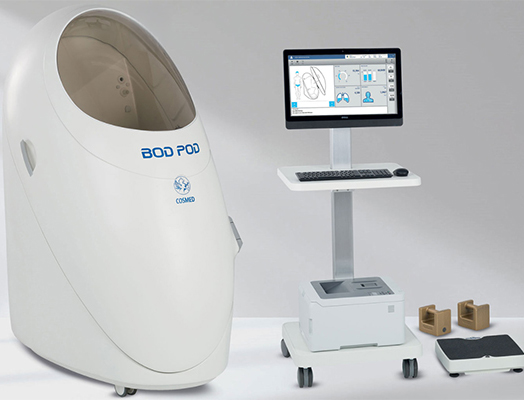
At Leo’s Fitness Lab, professional tools such as the Bod Pod body composition analysis help clients understand what changes are actually happening inside their bodies, allowing them to track progress more accurately.
Understanding Your Metabolism Matters
Many professionals assume their metabolism is slowing down because of age.
In reality, factors such as muscle mass, activity level, nutrition, and recovery often play significant roles.
Understanding how your body uses energy can help eliminate guesswork and create a more personalized fitness strategy.
Using the PNOĒ metabolic testing system available at Leo’s Fitness Lab, individuals can gain insight into:
- Calorie utilization
- Metabolic efficiency
- Cardiovascular performance
- Personalized nutrition recommendations
This data helps create a more effective plan based on how your body actually functions rather than relying on generic advice.
Why Recovery Is Just as Important as Exercise
Many people believe progress comes from doing more.
In reality, progress occurs when the body adapts and recovers from challenging exercise.
Without adequate recovery, performance and results can suffer.
Recovery includes:
- Quality sleep
- Proper nutrition
- Hydration
- Stress management
- Appropriate training frequency
The goal is not to exercise as much as possible.
The goal is to exercise effectively enough to stimulate progress while allowing the body to recover and adapt.
The Best Exercise Strategy for Busy Professionals
For most busy adults, an effective fitness strategy includes four key components:
1. Prioritize Strength Training
Building and maintaining muscle should be the foundation of your program.
2. Track Body Composition, Not Just Weight
Focus on reducing body fat while preserving or increasing muscle mass.
3. Understand Your Metabolism
Use objective data to make smarter nutrition and training decisions.
4. Make Recovery Part of the Plan
Recovery is not a break from progress—it is part of progress.
How Technology Can Improve Fitness Efficiency
Advancements in fitness technology have made it possible to achieve meaningful results without spending countless hours exercising.
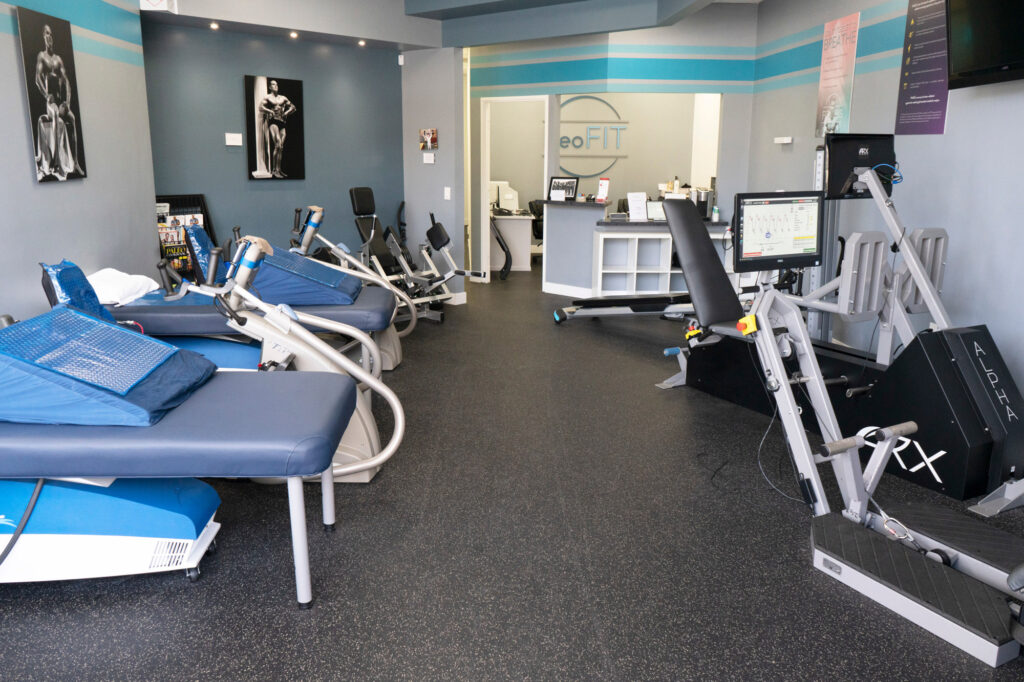
At Leo’s Fitness Lab, we utilize several technologies designed to improve efficiency and provide measurable results.
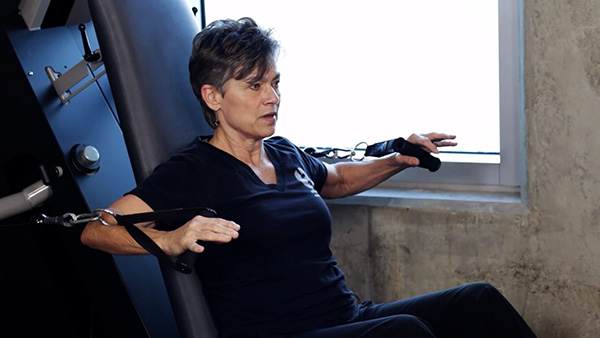
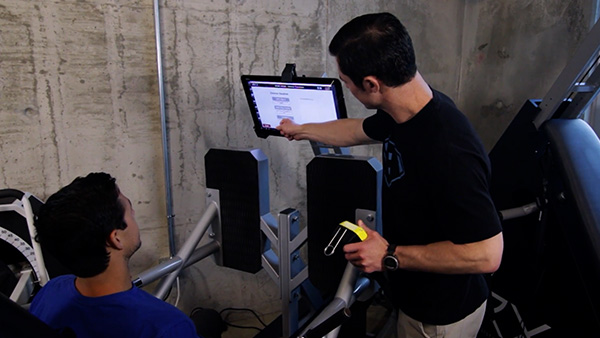
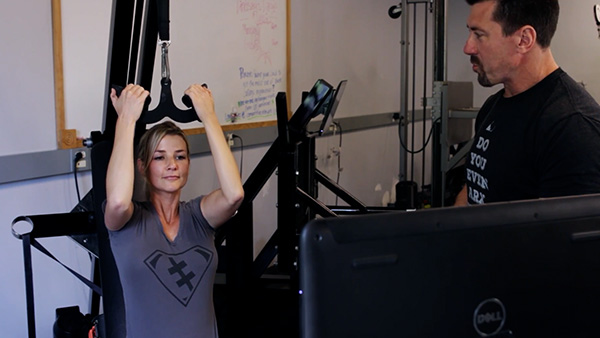
ARX Adaptive Resistance Training
ARX technology automatically matches resistance to your strength throughout every repetition, creating an efficient strength-training experience focused on maximizing effort and results.
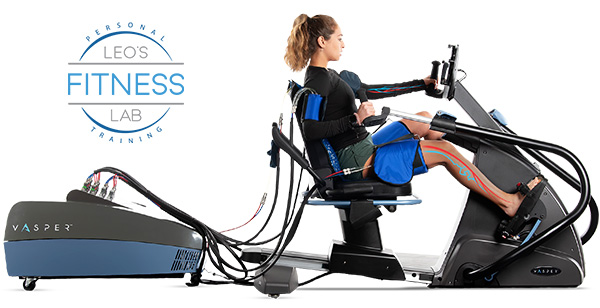
Vasper Training
Vasper combines cooling, compression, and interval exercise to help support cardiovascular fitness, recovery, and performance while minimizing joint stress.
Bod Pod Body Composition Analysis
The Bod Pod provides highly accurate measurements of body fat percentage and lean body mass, helping clients track meaningful progress beyond the scale.
PNOĒ Metabolic Testing
PNOĒ provides detailed metabolic and respiratory data that can be used to personalize training and nutrition strategies.
Together, these tools help busy professionals make the most of every workout and every minute invested in their health.
Why the Best Fitness Program Is One You Can Sustain
The most effective exercise strategy is not the most extreme.
It’s the one you can consistently follow.
For busy professionals, success comes from creating a plan that:
- Fits your schedule
- Produces measurable results
- Supports healthy aging
- Improves strength and energy
- Enhances long-term health
Consistency beats perfection every time.
Key Takeaways
Busy professionals don’t need to spend hours in the gym to improve their health.
A smarter approach focuses on:
- Strength training
- Building and preserving muscle
- Improving body composition
- Understanding metabolism
- Prioritizing recovery
- Using data to guide decisions
When exercise becomes more efficient and measurable, it becomes easier to stay consistent—and consistency is what drives lasting results.
Frequently Asked Questions
What is the best type of exercise for busy professionals?
Strength training is often the most efficient form of exercise because it supports muscle growth, metabolism, healthy aging, and long-term health.
How much exercise do busy professionals need?
Many adults can achieve significant results with a well-designed program that focuses on quality rather than quantity.
Why is muscle important as we age?
Muscle supports metabolism, strength, mobility, balance, and independence throughout life.
What is sarcopenia?
Sarcopenia is the gradual loss of muscle mass and strength that occurs with aging.
Is body composition more important than body weight?
In many cases, yes. Body composition provides a clearer picture of health by measuring muscle and body fat rather than total weight alone.
What does a Bod Pod test measure?
A Bod Pod test measures body fat percentage, lean muscle mass, and overall body composition.
What is PNOĒ metabolic testing?
PNOĒ is a metabolic assessment that analyzes how your body uses oxygen and energy to provide personalized health and fitness insights.
What is ARX training?
ARX is an adaptive resistance training system that automatically adjusts resistance to match your strength throughout each repetition.
What is Vasper training?
Vasper combines interval exercise, cooling, and compression technology to support fitness, recovery, and overall performance.
Why do busy professionals benefit from data-driven fitness?
Data-driven fitness removes guesswork, allowing individuals to make informed decisions based on measurable information about their bodies.